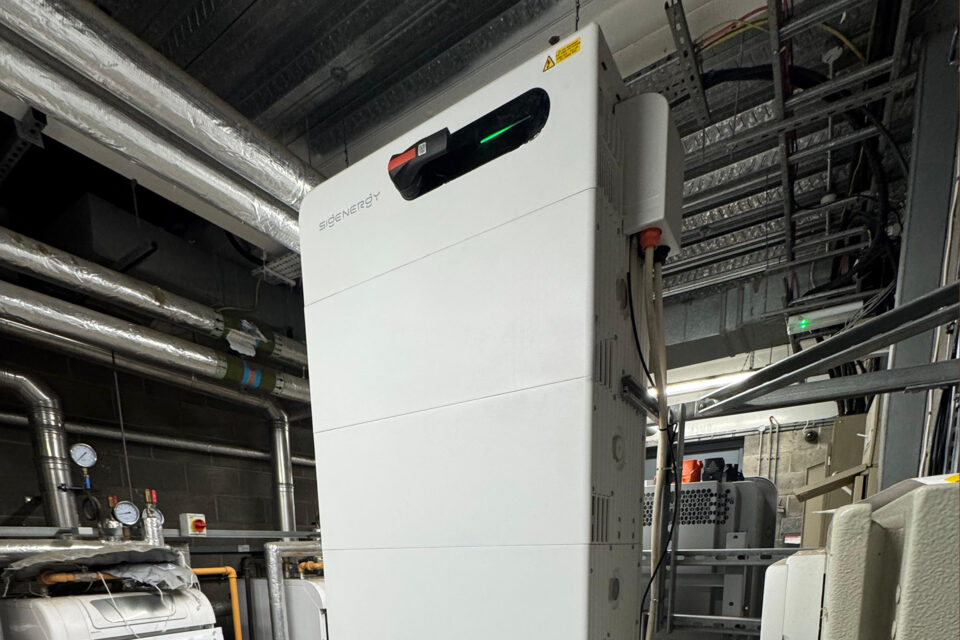
We’re pleased to share that we’ve completed our first installation of a sodium-ion battery — often referred to as a “salt water battery” — paired with an Eleven inverter, for one of our customers here in the North East.
What makes this installation different
Until now, all of our battery storage installations have used lithium iron chemistry, and it remains a technology we have full confidence in and continue to recommend. This new install adds sodium-ion storage alongside it, giving customers a genuine alternative to consider.
Sodium-ion batteries are sometimes called “salt water batteries” because the sodium used in the cells is sustainably sourced from seawater, rather than the more resource-intensive raw materials that lithium chemistries depend on. That makes it one of the more promising developments in the renewable energy storage space, and it lines up closely with our own focus on identifying genuinely sustainable options for our customers — not just the established ones.
The installation
This system consists of four 4.5kWh sodium-ion battery modules, stacked together to give 18kWh of total storage capacity, paired with an Eleven inverter.
How it compares to lithium iron
We’re confident in the fundamentals of sodium-ion technology, and we’re genuinely looking forward to seeing how it performs against our usual lithium iron installs in real-world, day-to-day use. Every system behaves a little differently once it’s live and working through a customer’s actual usage patterns, which is exactly why we monitor it.
One trade-off worth being upfront about: for a comparable amount of output, the physical footprint of this sodium-ion system is larger than an equivalent lithium iron setup. It’s a straightforward space consideration, and one we’ll always flag honestly when discussing options with customers.
Monitoring the installation
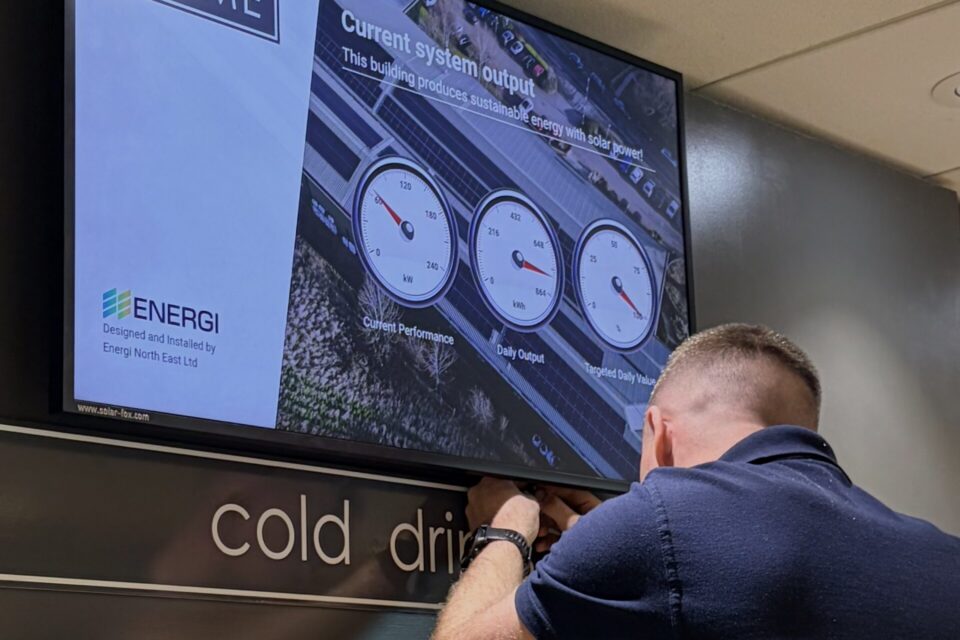
Monitoring is something we provide as standard on our installations — it’s a service most valued by our commercial customers, though we run it for a number of domestic sites too. This customer isn’t paying anything extra for it; it’s part of how we routinely follow up after a new install.
We’d typically track a system for a few months after handover. Given this is our first sodium-ion deployment, though, we’ll be keeping this one under close watch for considerably longer, since a genuine like-for-like comparison with lithium iron needs more time to establish than our usual monitoring window allows
What’s next
We already have other customers interested in making the switch to sodium-ion storage, and we’re hopeful that this first installation helps demonstrate the case for wider adoption. We’ll continue sharing updates as the monitoring data comes in.
If you’re interested in sodium-ion battery storage, or want to know whether it’s the right fit for your home or business, get in touch — we’re happy to talk through the pros, cons, and everything in between.